
Tina Frank · 9 October 2026
Navigating Real-Time Referral Analytics for Independent Digital Projects Through Platform Innovations
Independent digital projects rely on referral analytics to track how visitors arrive from external sources, and platform innovations have shifted this process toward real-time capabilities since the mid-2020s. Data from industry reports shows referral traffic now accounts for significant portions of overall site visits in standalone ventures, with tools that update metrics instantly rather than in daily batches. Experts note these changes emerged as platforms integrated APIs that pull live data from social networks, content aggregators, and partner sites.
Core Components of Real-Time Referral Tracking
Real-time referral analytics centers on identifying the origin of incoming visitors through parameters such as UTM codes, referrer headers, and session cookies that platforms process without delay. Researchers have documented how these systems distinguish direct referrals from paid promotions or organic shares, while updates occur within seconds of a click. Observers point out that independent operators gain access to dashboards that highlight spikes in traffic from specific domains, allowing adjustments to content or outreach strategies on the fly.
Platform providers introduced features like automated tagging and cross-device attribution in recent years, and figures reveal that adoption rates climbed steadily through 2025. Those who manage multiple projects often combine data streams from various tools to build a unified view, whereas single-site owners focus on simplified interfaces that flag high-value referral sources immediately.
Platform Innovations Reshaping Access
New platform layers now embed machine learning models that predict referral quality based on historical patterns, and these models draw from aggregated datasets updated hourly. Studies from academic institutions indicate accuracy improvements of 15 to 20 percent compared with earlier static reporting methods. Independent projects benefit because smaller teams can deploy these without custom development, relying instead on pre-built integrations that connect to popular hosting environments.
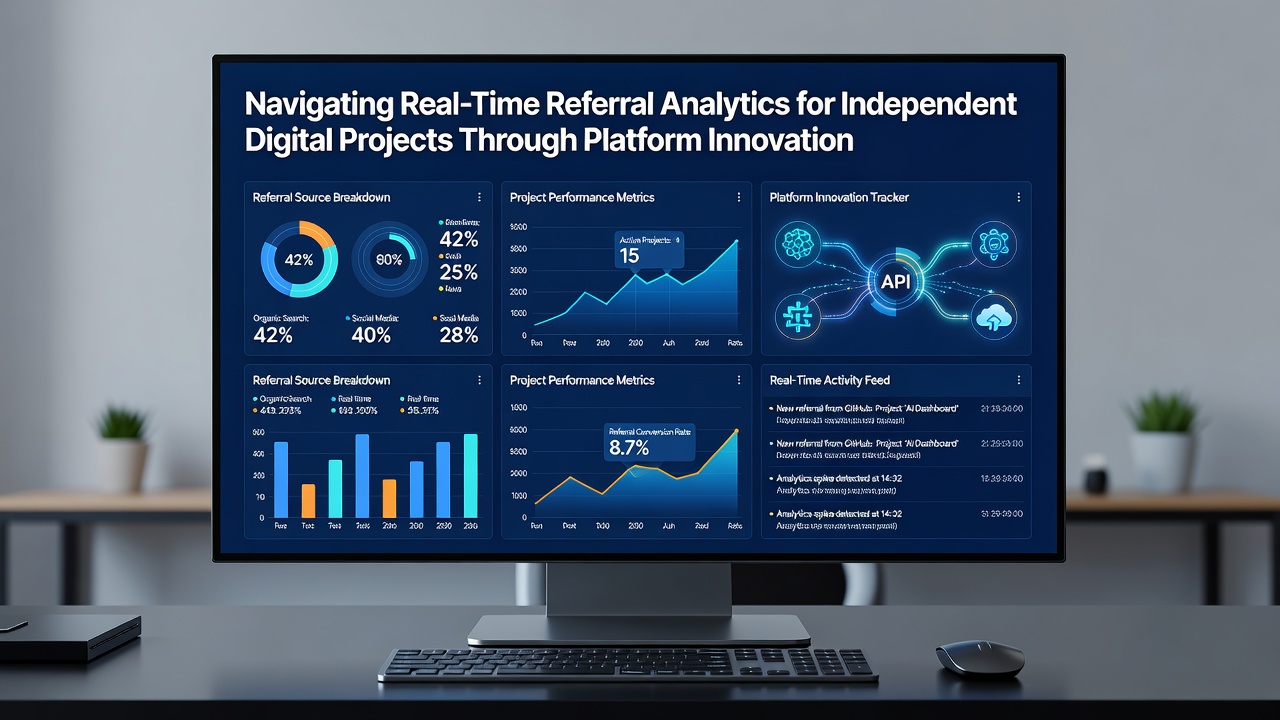
By October 2026 several major analytics platforms had rolled out collaborative features that let project owners share anonymized referral insights with peers, and this exchange occurs through secure channels that preserve privacy standards. Data shows such collaboration correlates with faster identification of emerging traffic trends across niches. Meanwhile, mobile-first interfaces allow monitoring from any location, which aligns with the distributed nature of independent digital work.
Implementation Steps for Standalone Ventures
Those setting up real-time referral systems typically begin by selecting a platform that supports live API pulls from their primary traffic sources. Configuration involves mapping referral domains to categories such as social media, news outlets, or affiliate networks, after which alerts trigger when thresholds are met. Research indicates that projects completing this setup within the first month see measurable improvements in response times to traffic shifts.
Integration with existing content management systems follows next, and many platforms offer one-click connectors that reduce manual coding. Observers have noted that independent operators who test these connections on a single project before scaling report fewer configuration errors overall. Regular audits of data accuracy remain necessary because referrer spoofing can still occur despite platform safeguards.
Data Sources and Geographic Variations
According to statistics compiled by the Australian Bureau of Statistics, referral traffic patterns in the digital services sector showed consistent growth in real-time monitoring adoption during 2025. In parallel, reports from Eurostat highlight similar trends across European Union member states, where platform tools helped smaller enterprises track cross-border referrals with greater precision.
Conclusion
Real-time referral analytics continues to evolve through platform innovations that lower barriers for independent digital projects, and the combination of live data feeds with predictive features supports more responsive operations. Evidence from multiple regions confirms these tools integrate into daily workflows without requiring large teams, while ongoing updates address accuracy and privacy concerns. Those managing such projects can expect further refinements as platforms incorporate additional data layers in the years ahead.